
The 2026 Modern Restaurant Playbook
A Guide to Scaling Operations & Profitability
The landscape has shifted from surviving the dining room rush to mastering a complex ecosystem of tableside technology, backend inventory management, and omnichannel digital revenue. For restaurant owners aiming not just to maintain but to scale operations and maximize profitability, the central infrastructure of this ecosystem is your restaurant's point of sale system.
This guide is not about commoditized hardware. This is a strategic blueprint. Digital Market POS presents this playbook not as a vendor, but as your technology consultant-partner. We understand that a pos for restaurants must do more than process credit cards; it must serve as the brain of your operation.
The strategy that defined success in 2022 will not hold up to the margin pressures and labor challenges of 2026. This is the year your technology must work harder than you do.
Accelerate Your Operations
Maximizing Table Turns in an Age of Reduced Labor
Profitability in a modern restaurant is directly correlated to operational velocity. How fast can you move an order from a guest’s lips to the kitchen, and how efficiently can that kitchen execute? The days of hand-written tickets and stationary terminals are ending. When servers are chained to a single terminal, they become bottlenecks, not ambassadors of your brand.
The 2026 solution relies on a synchronized integration of handheld ordering tablets and dynamic Kitchen Display Systems (KDS).
The Implementation: How It Works in 2026

Eliminating the Terminal Bottleneck
When your staff uses handheld restaurant pos systems for tableside ordering, the order is fired the moment the guest confirms it. The server never needs to leave the dining floor, enabling them to attend to more tables simultaneously without sacrificing service quality.

KDS-Powered Kitchen Synchronization
When the order is fired, it does not print as a paper ticket that can be lost, soiled, or misread. It populates on a Kitchen Display System. A dynamic KDS prioritizes tickets based on cook times (e.g., a well-done steak is displayed before a medium-rare steak) to ensure the entire table's food is finalized simultaneously.

Real-Time Coursing and Pacing
Servers can pace courses directly from the handheld. The kitchen receives immediate updates, reducing dishware waste and costly re-fires.
Deep Dive into Profit Protection & Inventory Mastery
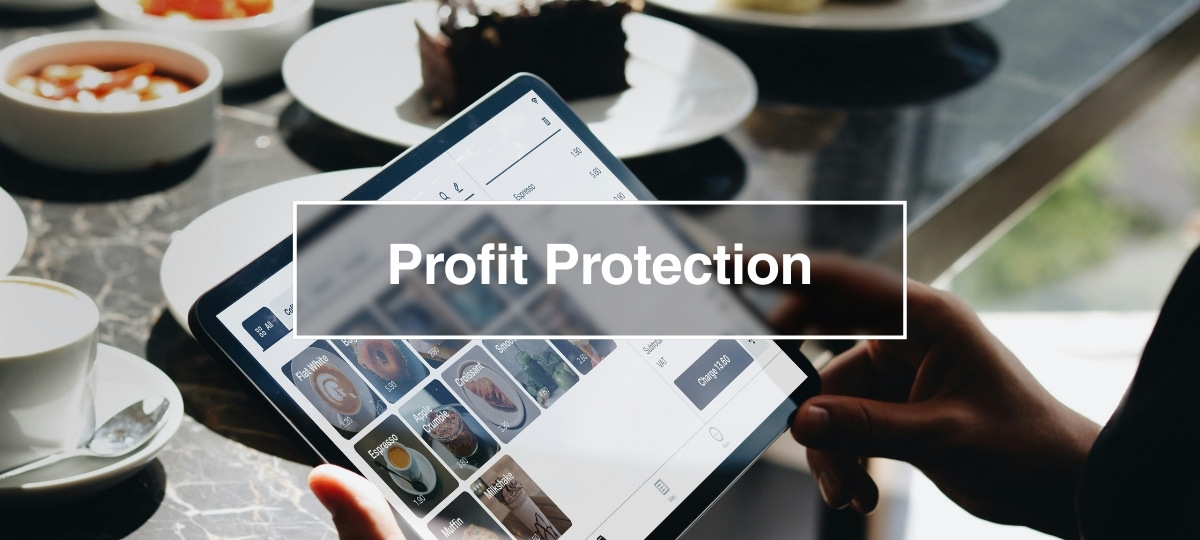
Revenue is vanity; profit is sanity. If your restaurant is not tracking food costs with surgical precision, your 2026 margin strategy is failing. With food costs fluctuating wildly, "gut-feeling" ordering is no longer sustainable. You must utilize a robust food inventory management system built directly into your restaurant management software.
Theoretical vs. Actual Food Cost
The biggest blind spot for restaurant owners is the variance between theoretical food cost (what you should have spent based on sales) and actual food cost (what you actually spent based on what you bought and wasted).
Profit protection comes down to identifying the variance caused by four primary drivers:

Spoilage
Ingredients that went bad before they could be sold.

Theft
Unrecorded sales or "grazing" from stock.

Portion Control
Inconsistent recipe execution that drains resources.

Error Waste
Re-fires due to order entry errors.
By integrating your inventory tracking directly into your POS, you move from reactive observation to proactive management. Your system should track inventory at the ingredient level (not just the dish level), automatically depleting ingredients from your central warehouse stock with every sale.
The Profitability Chart: The Impact of Inventory Control
To visualize the necessity of this control, look at the impact a mere 5% reduction in food cost variance can have on your annual bottom line.
| Monthly Revenue | Baseline Food Cost (35%) | Reduced Food Cost (30%) | Annualized Profit Increase |
|---|---|---|---|
| $75,000 | $26,250 | $22,500 | +$45,000 |
| $150,000 | $52,500 | $45,000 | +$90,000 |
| $300,000 | $105,000 | $90,000 | +$180,000 |
Call Sales: (888) 441-4116 or fill out this form.
The Bilingual Support Edge
Technology, no matter how advanced, will fail. The question isn't if; it's when. And when your network goes down during the Valentine’s Day rush, you don't need a generalized ticketing system; you need a human being.
The primary frustration we hear from restaurant owners regarding major national POS companies is their "faceless" support structure. You wait for hours on hold, or you interact with an overseas chatbot that has no understanding of your specific business.
Dedicated In-House Support, Not Call Centers
At Digital Market POS, we don't believe in commoditizing support. Our philosophy is that we are partners in your success. Our competitive advantage—one we take profound pride in—is our dedicated, bilingual (English and Spanish) in-house support team.
When you contact DMPOS, you aren't dialing into a massive call center. You are reaching technicians like Carlos and Marko—human beings who know your name, have reviewed your system configuration, and understand that in a high-volume restaurant, a 20-minute outage is an emergency, not just a high-priority ticket.
In 2026, when your operations are fully digital, the most important hardware in your restaurant is your connection to a reliable, local human support partner.
Unifying Online Ordering and Third-Party Delivery
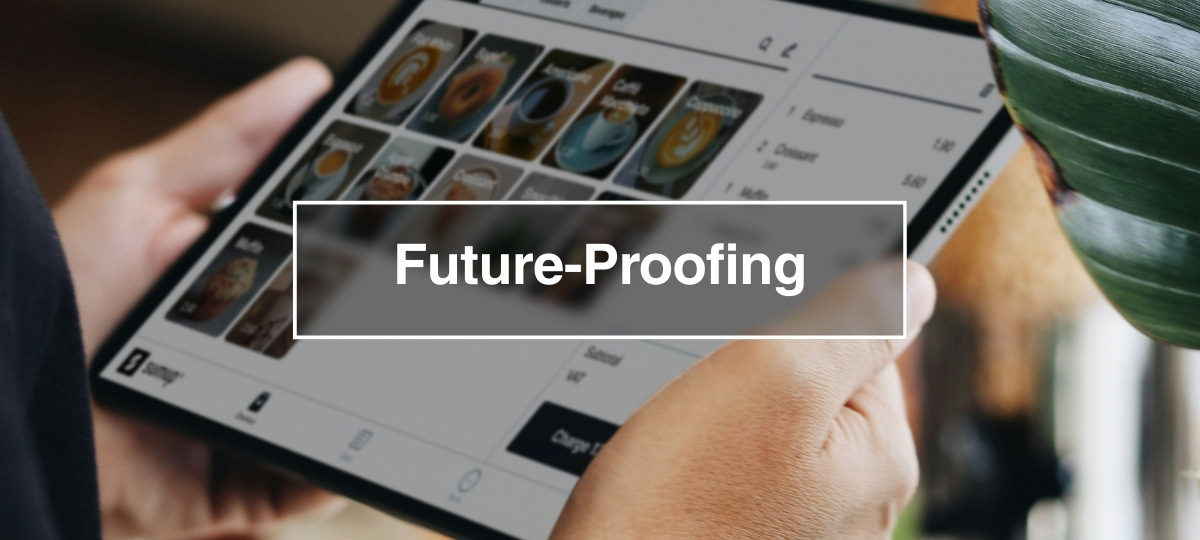
The consumer landscape of 2026 demands that your restaurant is available everywhere: on your website for direct ordering, and on third-party aggregators like DoorDash, UberEats, and Grubhub. For years, the challenge for restaurant operators has been managing the "tablet farm"—the multiple tablets required to manage each individual delivery channel.
Single-Dashboard Omnichannel Integration
The future of delivery management is seamless synchronization. Your central restaurant POS systems must be the single source of truth. A modern pos for restaurants will have a native, two-way integration that pulls all third-party orders directly into your main KDS.
This integration eliminates the primary friction points of modern delivery:

Reducing Re-Keying Errors
Servers no longer have to manually type the DoorDash order into your central POS, which reduces transcription errors that lead to food waste.

Menu Synchronization
If you run out of an ingredient, you update the item once in your central POS, and it automatically marks it "out of stock" across all connected third-party platforms simultaneously.

Unified Reporting
Your sales data is no longer fragmented. All online, third-party delivery, and on-premises sales are visible from a single dashboard.
Future-Proof Your Growth
In an economy where diner behavior is split between on-premise and off-premise, your business growth is directly limited by how well you can unify these two channels. In 2026, the best pos system for restaurant growth isn't just a terminal; it is a central hub that manages your entire marketplace footprint.
The Strategic Decision
Partners vs. Vendors
The "2026 Modern Restaurant Playbook" isn't just a guide; it’s a commitment to recognizing that your technology infrastructure is your strategy.
We are entering an era of operational complexity where the traditional separation between front-of-house and back-of-house must be erased by intelligent restaurant software. You have a choice. You can purchase a generic product from a generic vendor and manage your technology alone, or you can build a comprehensive infrastructure with Digital Market POS.
Don't just buy a terminal. Choose a partner with over a decade of dedication to the success of local businesses. Choose white-glove support, bilingual expertise, and a complete business solution designed to scale your operations and protect your profit.
If you are ready to modernize your operations and future-proof your growth for 2026, we are ready to discuss your specific needs. This playbook is the foundation; your business audit is the next step. Let’s identify the operational gaps limiting your velocity and the profit leaks draining your revenue.
Don't Just Buy a Terminal. Build a Partnership.
Let the Digital Market POS team provide you with a complimentary audit of your current POS setup to determine where we can immediately boost your table turns and profit margins.